Shaping the Future of Logistics: In Conversation with Jan Steenberg FCILT

As CILT International enters a new chapter, President Jan Steenberg FCILT reflects on the experiences that shaped his leadership, the importance of global collaboration and the technologies and sustainability challenges transforming the profession.
Jan Steenberg FCILT has been a member of CILT since 1995 and became International President in 2026. With more than three decades in supply chain management, including director-level roles across Europe and Asia, he brings both industry depth and close knowledge of the Institute, having previously served as Honorary Secretary. In conversation with CILT International, he reflects on how a career in logistics begins, what CILT’s values and vision for the future demand of its leadership, and the forces he expects will define the profession over the next decade.
A career in logistics and lessons in leadership
Q: You have been in logistics and supply chain for more than 35 years. How did the career begin, and what kept you in it?
My journey began in 1988 when I joined the military as a young recruit and learned very quickly that logistics is a fundamental part of running a successful military operation. Without it, nothing moves and nothing functions. During my studies in Economics and Operations Management I developed a more structured understanding of the field, and after graduating I joined a software and hardware company in Copenhagen as a logistics controller, managing warehouse operations, shipping, purchasing and planning.
What kept me interested was the realisation that supply chain sits at the centre of everything. There’s a reason to get involved in finance, HR, IT, sales, marketing and leadership, and you’re never stuck in a corner. Technology was also a constant thread, from Excel and the early ERP systems through to the planning and control tools that followed. Supply chains are global and deeply human, and I found that combination fascinating from the start.
Q: Your career included military service and a move from Denmark to Scotland. What did those experiences teach you about leadership?
I became a leader in the army at a fairly young age, first as a section leader and sergeant, then as a platoon leader in a reconnaissance unit. I learnt that a title alone does not make you a good leader. Your team looks for direction and support, and they need someone who cares about their wellbeing and stays focused on the task. It also helped me understand my own limits: how far I can stretch myself, and where my boundaries are.
The move to Scotland brought a different kind of lesson. Early on, a manager told me I was coming across as demanding and rude. I was astonished, I considered myself quite polite. The explanation turned out to be simple: in Danish there is no direct equivalent of “please”, and “thank you” is used far more sparingly than it is in British culture. Saying “yes” rather than “yes please” was being read in a way I had not intended. I learned from that quickly, and have applied it everywhere I have worked since. Culture and language are closely connected, and language reflects the values of the people who use it.
CILT membership, professional standards and global collaboration
Q: You joined CILT in 1995. What drew you to the Institute, and what has membership meant across your career?
My purpose in joining was straightforward: to connect with a professional community, develop my skills and meet like-minded people. What also drew me was the fact that CILT operates as a charity on a not-for-profit basis. Every penny is reinvested into building and maintaining the organisation. That principle remains important to me, and it shapes how I think about the Institute’s relationship with its members.
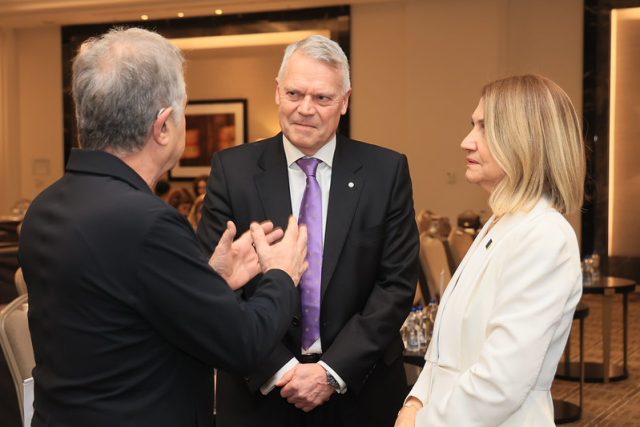
During more than 15 years at director level in supply chain management, CILT has been an invaluable partner. It helped keep me connected to the latest thinking and supported me in raising standards for the people and organisations I worked with. I also served as Honorary Secretary, which gave me a close working knowledge of how the organisation fits together, not just at the secretariat level, but how countries, branches and territories connect and interact. Coming into the presidency, my aim is to build on that and ensure members at every stage of their career feel the same value from their membership that I have felt from mine.
Q: CILT enters its Royal Charter centenary year with a refreshed strategy. What do the three pillars, Professional Standards, Collaboration and Sustainable Growth, mean to you?
We now have something clear to work towards. The strategy built around those three pillars gives us a shared framework, and digital enablement runs through all of them, connecting us to learn from each other and deliver.
My role as President is to make sure the spirit of this strategy is felt everywhere in the network, not just at the centre. I am looking forward to meeting as many members as possible, hearing their feedback and involving them in shaping what comes next.
We introduced the Global Collaboration App at our annual convention in September 2026. The platform is designed to enable members to connect with each other not just within their own country, but across topics, disciplines and career stages. That horizontal connectivity is something the network has needed.
Q: Internationalisation is a priority for your tenure. What does that mean in practice, and where do you see the most important work to be done?
CILT today has representation in more than 40 countries and around 50,000 members. Whether you work in transport of people or products, logistics and distribution or supply chain management, we are a profession that solves problems and delivers value to the companies we work for, and to the communities we exist within.
Continuing our journey of internationalisation means expanding our presence in parts of the world where we can make a real difference, and creating forums where members can connect across national boundaries. Next Generation and WiLAT are both important parts of that picture, spaces where people at specific points in their careers, or facing challenges, can find each other, exchange ideas, seek advice and find mentors.
Alongside that, we must invest in education. Our commitment is to deliver affordable and relevant learning that gives every student an opportunity to develop. I want to build stronger relationships with companies so that CILT qualifications become a recognised career development path that employers invest in for their people.
Artificial intelligence, sustainability and the future of the profession
Q: You have named AI and sustainability as the forces that will most profoundly shape the profession. What should members understand about both?
Geopolitical events are having an impact at the moment, but I believe that will prove to be a medium-term factor. The deeper and more lasting changes will come from AI and sustainability.
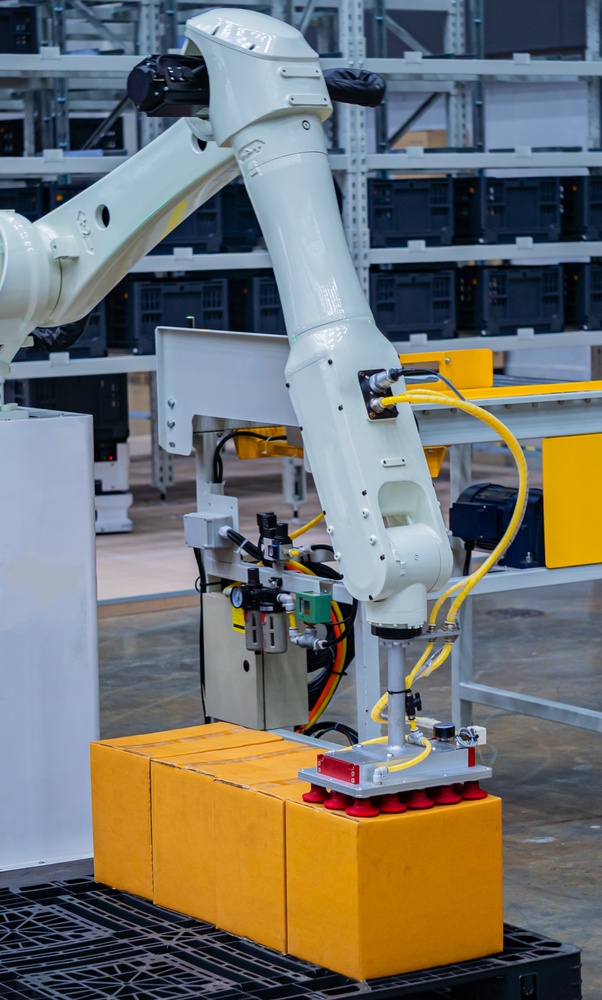
I recently saw a demonstration of an agentic AI solution in logistics, and it was striking. The technology has the potential to turn people currently focused on execution into high-level decision makers, with a level of visibility across their operations they have never had before. My advice to members is to develop a real working understanding of what AI can do, and to plan to engage with it. CILT will support that journey, but the starting point needs to come from you.
I think we can all agree that we should leave our planet in a better state than we found it. Reliance on carbon-based economies cannot continue. During my time in Singapore I was struck by a shift in policy there, from calling the city a Garden City to describing it as a City in Nature. That language reflects a real shift in attitude: prioritising nature’s terms rather than our own. That kind of thinking needs to carry through into how our profession approaches its responsibilities.
Q: What do you want to say to professionals who are early in their careers, or considering logistics and supply chain as a path?
The profession is changing fast, and the people who will thrive are those who combine deep technical knowledge with a genuine understanding of what technology can do. That means keeping your skills current.
I care less about the qualifications you already hold than about the ones you are planning to acquire. Attitude and aptitude count for a great deal. This profession will always need experts. Technology will change how we do things, but the world will still need people who understand how goods, services and people move, and how to keep that movement steady and reliable. CILT is right in the middle of that, and it is here to support you in building the expertise you need, at every stage of your career.
Originally commissioned by the CILT International Secretariat and published in The World in Motion, Issue 3 (2026).