CILT Africa Forum 2026 highlights shared priorities for Africa’s transport and logistics future
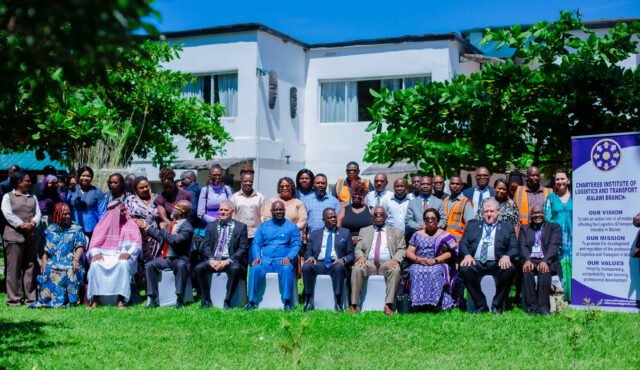
The 19th edition of the Chartered Institute of Logistics and Transport Africa Forum was held from 22 to 24 April 2026 in Salima, Malawi, under the theme Advancing Sustainable and Inclusive Transport and Logistics for Africa’s Future. The Forum brought together policymakers, industry leaders, academics and professionals from across Africa and beyond to discuss the critical issues shaping the transport and logistics sector.
For CILT International, the Forum reflected the importance of strengthening professional standards, supporting collaboration and encouraging sustainable growth across the movement of goods and people. It also demonstrated the value of regional dialogue in helping turn shared challenges into practical action.
Watch the event video
Watch the event video to hear more from the organisers and delegates and to revisit key moments from CILT Africa Forum 2026.
Opening reflections from Malawi
The Forum was officially declared open by the Honourable Minister of Transport and Public Works in Malawi, Jappie Mhango, who emphasised that the theme reflected Africa’s shared responsibility to develop transport systems that are inclusive, resilient, sustainable and digitally enabled. He noted that transport remains central to economic transformation, particularly for landlocked countries, where connectivity is essential for trade, industrialisation and regional integration. He also highlighted the strategic importance of the African Continental Free Trade Area in supporting intra African trade and reaffirmed Malawi’s commitment to its implementation.
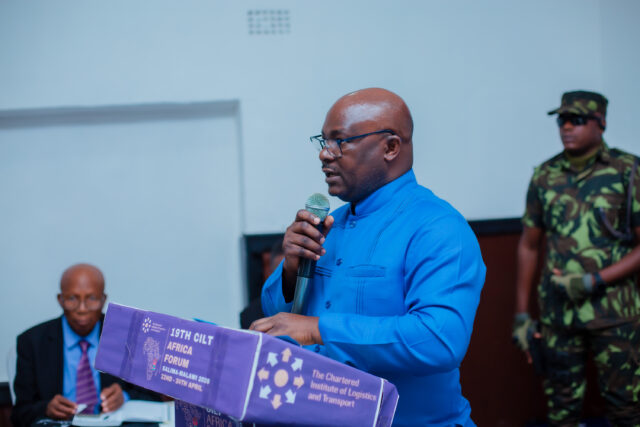
In his address, the Minister underlined the role of logistics in turning policy frameworks into practical economic gains through more efficient cross border trade, lower costs and stronger value chain development. He identified infrastructure development, reduction of non tariff barriers, value chain integration and digital transformation as key enablers of more effective logistics systems across the continent. The Government of Malawi also reaffirmed its commitment to strengthening transport infrastructure through road modernisation, railway revitalisation, inland water transport development, airport upgrades and trade facilitation reforms, while prioritising sustainability, climate resilience and inclusivity for women, young people, persons with disabilities and small scale traders.
Key themes from the Forum
Across the programme, delegates explored a broad range of issues affecting the future of transport and logistics in Africa. These included infrastructure development, regional integration, digital transformation, sustainability and human capital, with a clear focus on practical insight and shared learning.
A significant technical session delivered by Dr T.C. Mujakachi focused on adaptive transport law and the need for resilient legal frameworks in an era of global uncertainty. The session highlighted the importance of transport law in supporting the safe and efficient movement of goods and people through clear rules, responsibilities and accountability, while also recognising that climate change, geopolitical instability, pandemics, technological change and infrastructure vulnerabilities require more flexible and adaptive legal systems.
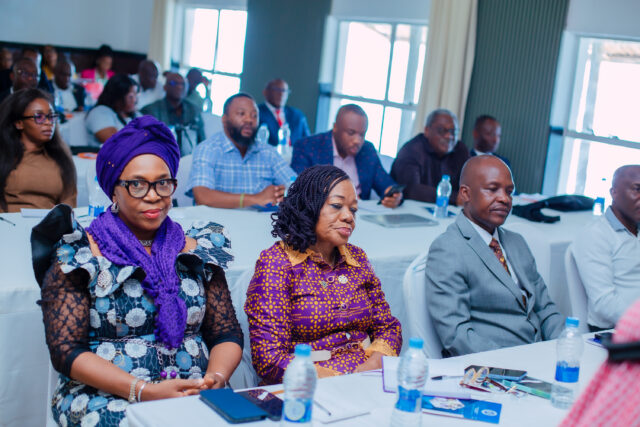
The session also highlighted the need for strong legal frameworks at international, regional and national levels, supported by public private partnership and emergency legal mechanisms. It pointed to the importance of harmonised regulations within regional blocs such as SADC to help facilitate cross border trade and mobility. Key resilience strategies included harmonisation of laws, flexible legal frameworks, infrastructure protection policies, digitalisation of transport processes, stronger risk management, improved security and enforcement, and closer regional and international cooperation.
Other sessions focused on circular supply chains, road safety in logistics operations, professional certification and workforce transformation, and the logistics challenges facing landlocked countries including Malawi and Rwanda. Together, these discussions reinforced the point that Africa’s transport and logistics future depends not only on infrastructure, but also on skills, regulation, technology, resilience and effective collaboration.
Professional standards, people and capability
One of the clearest threads running through the Forum was the importance of developing people alongside systems. The official report highlighted the need to strengthen human capital through education and professional certification, while the wider programme gave strong attention to workforce capability, professional development and long term sector readiness.
This closely reflects CILT’s wider strategic focus on professional standards, including recognised membership qualifications, continuing professional development, development of relevant educational content and support for equal opportunities across the profession. As discussions at the Forum made clear, the future strength of transport and logistics in Africa will depend not only on policy and infrastructure, but on the knowledge, competence and development of the people working across the sector.
Inclusion, leadership and future voices
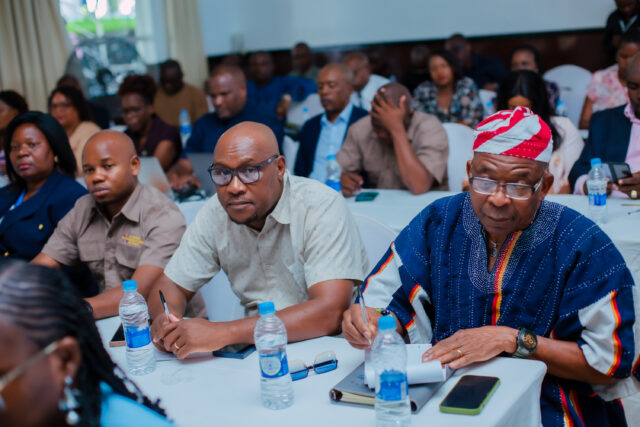
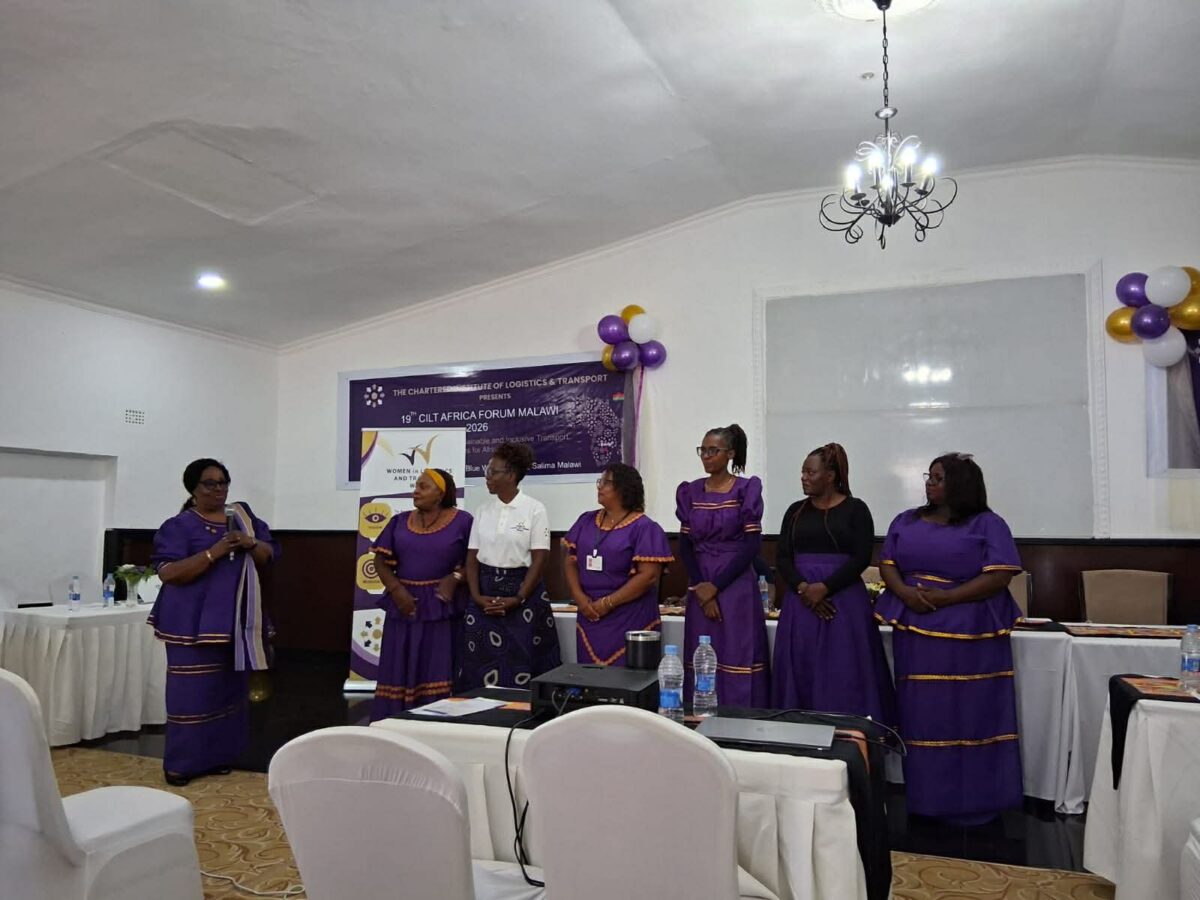
A particularly important part of the Forum was the formal launch of new WiLAT Malawi and CILT Next Generation Malawi chapters, marking a positive step in strengthening both networks at country level.
Alongside dedicated Global WiLAT and Next Generation activity on day two, the event created space not only for discussion around women’s leadership, future participation and professional development, but also for tangible growth in these communities within Malawi. The launch of WiLAT Malawi saw Chapter President Grace Malungo call for greater empowerment of women in transport and logistics, while Dr Doreen Owusu Fianko, Global Chairperson of WiLAT, encouraged the chapter to inspire more women to join the industry and reach their full potential. The launch of CILT Next Generation Malawi was led by Dianah Nassimbwa MILT, Global Chairperson of CILT Next Generation, marking an important milestone for the network’s continued growth and visibility in the region.
This stronger emphasis on chapter formation gave practical expression to themes already present across the wider Forum. The official report highlighted the importance of promoting gender inclusion, strengthening regional collaboration and supporting the development of the next generation of professionals as part of the sector’s future. It also called for increased participation of women and stronger next generation development initiatives within the Forum’s wider resolutions.
For CILT International, these launches reflected the wider role of Global WiLAT and Next Generation in creating pathways for connection, leadership and professional growth across the network, while ensuring that progress is not only discussed, but also embedded more firmly within local chapters.
Communiqué and shared resolutions
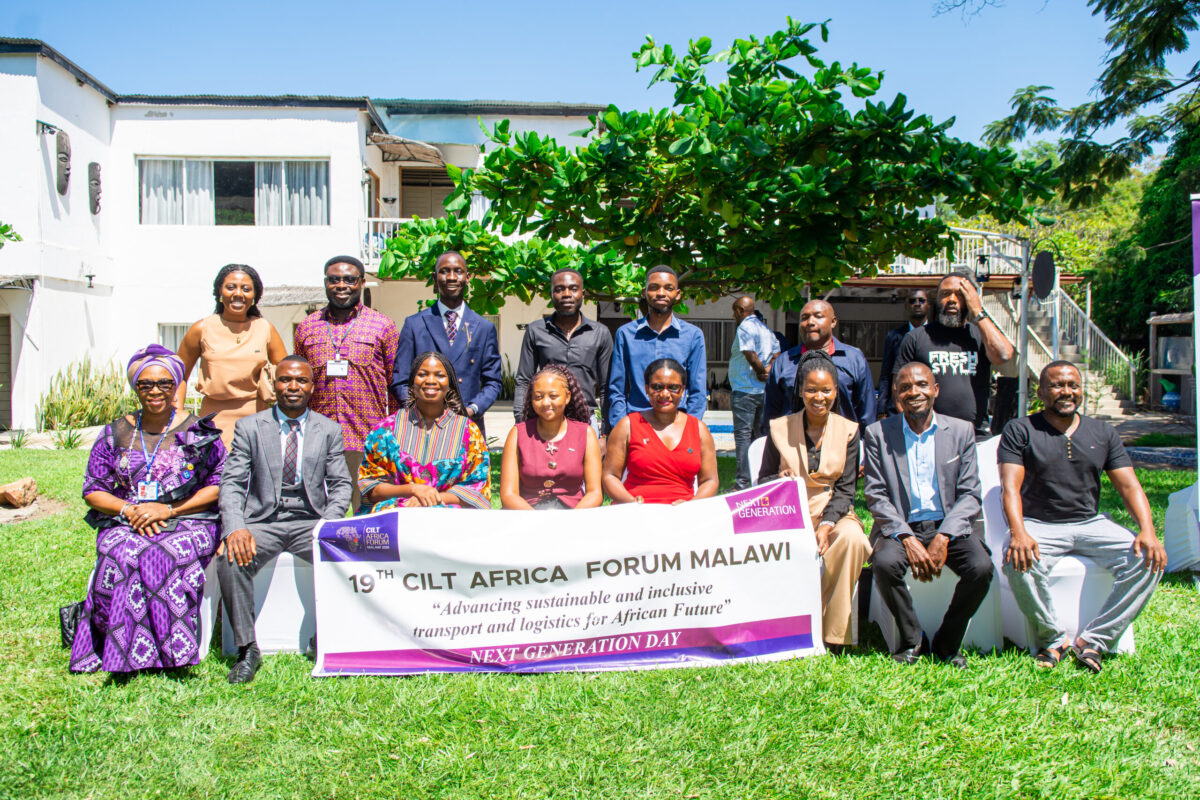
A major highlight of the Forum was the presentation of the official communiqué, which captured the collective observations and resolutions of participants. Key observations included the urgent need for harmonisation of transport and logistics laws across African countries, the strengthening of human capital through education and professional certification, the transition towards circular supply chains, and the importance of inclusive, safe and affordable transport systems. The Forum also highlighted the need to promote gender inclusion, empower youth and deepen regional collaboration to improve transport efficiency.
The Forum resolved that stakeholders should prioritise the harmonisation of legal and regulatory frameworks, promote continuing professional development, adopt greener and more sustainable logistics practices, and advocate for supportive infrastructure and policy environments. It also called for tailored logistics solutions for landlocked countries, increased participation of women in the sector, stronger youth development initiatives, faster digital transformation and stronger partnerships between public and private stakeholders. Participants collectively committed to taking these resolutions forward within their own countries and organisations, while continuing to support knowledge sharing and cooperation across the continent.
How the Forum reflects CILT strategy
Professional standards
Collaboration
Sustainable growth

A connected international perspective
In conclusion, the 19th CILT Africa Forum provided a valuable platform for advancing dialogue, collaboration and practical solutions in support of a resilient, sustainable and inclusive transport and logistics sector in Africa. Its outcomes are expected to contribute meaningfully to policy development, operational efficiency and regional integration across the continent.
For CILT International, the Forum also served as a strong example of the value of a connected professional community. By bringing together experience, ideas and regional insight, it demonstrated how shared learning and international engagement can support progress not only within individual countries, but across the wider profession.
View the full gallery
View the full gallery to explore more highlights from CILT Africa Forum 2026 in Malawi.