CILT International strengthens professional and education partnerships in Zimbabwe
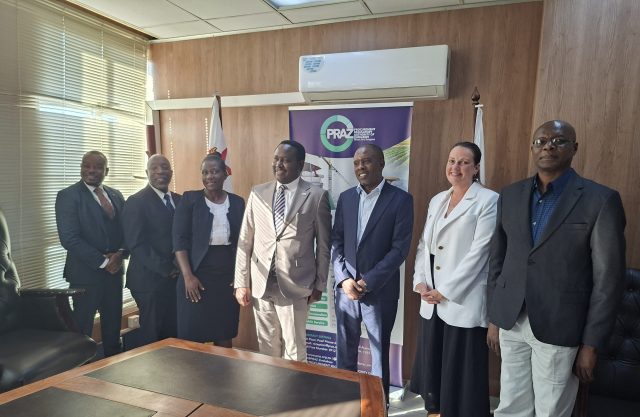
CILT International Director of Education and Membership Ruth Francis visited Zimbabwe from 20 to 24 July 2026, joining CILT Zimbabwe for five days of engagement with training providers, members, industry leaders and public sector organisations.
The programme created opportunities to strengthen relationships across Zimbabwe’s supply chain, logistics and transportation community, while giving CILT International valuable first hand insight into the opportunities, priorities and professional development needs emerging within the country.
Across the visit, discussions focused on education quality, professional standards, skills development, technology, institutional collaboration and the relationship between professional learning and industry practice.
For CILT International, this kind of direct engagement is an important part of building a connected global community. It provides an opportunity to listen to the organisations delivering CILT programmes locally, understand the environments in which members are working and identify where international standards, resources and relationships can create greater value.
Supporting quality and relevance in professional education
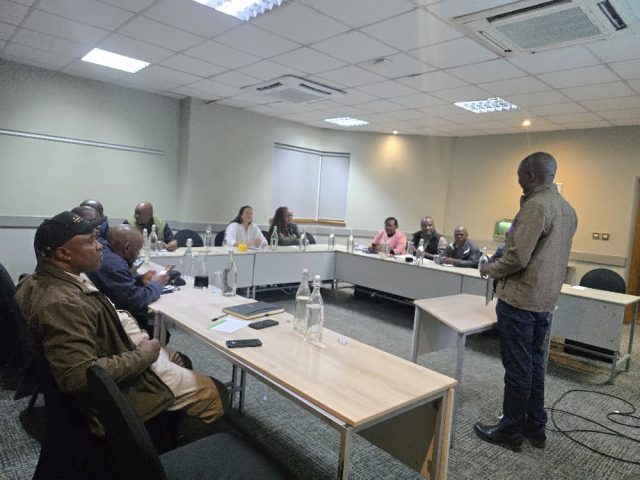
Education formed an important part of the programme, with Ruth meeting representatives from CILT accredited colleges and training institutions.
Discussions covered quality assurance, learner support, examinations, digital learning and opportunities to expand accredited provision in Zimbabwe. Ruth also visited an accredited institution to see the learning environment and academic processes supporting CILT programmes first hand.
Maintaining this connection between CILT International and its training provider network supports both consistency and relevance.

CILT International qualifications are developed to common international standards, while accredited training providers have the flexibility to use local case studies and examples that reflect the needs of industry and government within their markets. This combination enables learners to gain internationally recognised professional education that remains grounded in the realities of their own operating environments.
Continued dialogue with providers also helps CILT understand how professional education needs are changing and where future programmes, delivery models and partnerships may be able to respond.
Connecting professional development with industry practice
The programme also provided extensive exposure to organisations operating across different parts of Zimbabwe’s supply chain, logistics and transportation landscape.
Visits included J & J Transport, the Army School of Logistics and member owned businesses Hydration Masters and Drone Express. These engagements explored areas including transport operations, fleet management, supply chain practice, operational efficiency, safety, sustainability, technology and leadership.
Seeing how CILT members are applying their knowledge within businesses also demonstrated the wider role of professional development in supporting entrepreneurship and leadership.
At Hydration Masters and Drone Express, discussions highlighted how logistics knowledge, quality management, technology and efficient operations can support business development and innovation. The visits offered practical examples of the connection between professional capability and the organisations members go on to lead and develop.
Further engagement with the Procurement Regulatory Authority of Zimbabwe focused on procurement reform, governance, ethics, capacity development and professional education, while presentations on transport law and fleet management technology opened discussions around emerging areas of knowledge and capability within the profession.
Together, these conversations help build a fuller picture of the skills required across the profession and reinforce the importance of maintaining strong links between education, membership and industry.

Creating new opportunities for collaboration
One of the most significant outcomes of the visit came through the development of a new institutional partnership between CILT Zimbabwe and the Zimbabwe Institute of Public Administration and Management, known as ZIPAM.
Discussions between the organisations explored professional qualifications, executive education, leadership development, public sector logistics, curriculum development, research and continuing professional development.
The visit culminated in the signing of a Memorandum of Understanding between CILT Zimbabwe and ZIPAM, creating a framework for future collaboration across professional education, research, skills development, knowledge exchange and public sector capacity building.
The agreement creates further opportunities for CILT Zimbabwe to extend its relationships with organisations involved in developing professional capability and demonstrates how connections across the wider CILT network can support new routes to learning, knowledge and professional development.
Building a stronger and more connected global community
The relationships developed during the visit also reflect CILT International’s broader strategic direction for 2026 to 2030.
Following a period focused on strengthening awareness, digital platforms, organisational consistency and the CILT value proposition, the next phase is centred on activation: turning awareness into participation, activity into greater cohesion and established credibility into future readiness.
Visits such as this help put that ambition into practice.

Bringing CILT International closer to members, training providers, institutions and industry creates opportunities for greater knowledge sharing and collaboration across the network. It also helps ensure that international activity remains informed by local experience and that successful ideas, emerging needs and opportunities can be better understood across countries and regions.
For CILT Zimbabwe, the programme has strengthened existing relationships while opening conversations around future education, research, institutional partnerships and professional development.

For the wider CILT community, it provides another example of how international reach can translate into practical collaboration, connecting global professional standards with the people and organisations shaping supply chain, logistics and transportation in their own markets.
CILT International will continue working with CILT Zimbabwe and countries across its global network to strengthen these connections, support high quality professional development and build a more active, collaborative and future ready international community.
Explore the full gallery from Ruth’s visit and see more from the week in Zimbabwe.